- Harris County 10926 FM 1960, Houston, TX 77070
- buymyhouse@ezhousedeals.com
Get A Cash Offer Today

Foreclosure feels like a clock that won’t stop ticking. If you’re behind on your mortgage payments in Houston or anywhere in Harris County, you’re not alone, and you’re not a bad person. Life hits hard sometimes.
The goal of foreclosure prevention in a fast cash sale is simple: sell the house before the foreclosure auction date (or at least create enough time to catch up). A cash buyer typically purchases as-is, with no showings, no lender-required repairs, and a flexible closing date. That means fewer moving parts when time matters most.
Below is a realistic timeline from today to closing, plus what you need to do at each step so you don’t lose days to avoidable delays.

Texas is a non-judicial foreclosure state. In plain English, under Texas foreclosure laws the lender usually doesn’t need to go to court to foreclose. As a result, things can move fast once the formal notices start. (bummer, but we can help so contact us FAST.)
Recent public reports from January 2026 put Texas around 1 foreclosure for every 3,288 housing units, and the Houston area saw roughly 1,040 foreclosure starts that month. Numbers go up and down, but the pressure is real. When your sale date is close, every business day counts.
Still, your exact timeline depends on your lender’s notices and the county posting. So don’t guess. Pull your paperwork, log into your mortgage lender’s portal, and call your servicer to confirm the key dates and amounts. For a plain-language summary of the foreclosure process, see the Texas State Law Library overview of the foreclosure process.
The dates that matter most (and where to find them)
You don’t need to memorize every rule. You just need the few items that drive your options and your timeline, as outlined in the Texas Property Code.
Here are the must-know pieces to gather today:
Grab your latest statement, every letter you’ve received, and any emails from your servicer. If you can’t find something, call and ask them to email the payoff and reinstatement quotes. Those quotes usually have expiration dates, so it’s smart to request fresh numbers when you’re under contract.
A cash sale can work weeks out, and it can also work with less runway, but the margin for error shrinks fast. In Texas, after the notice period, the sale can come up quickly. That’s why speed plus clean paperwork matters more than perfect timing.
In many cases, lenders may pause a sale when they see a real contract and a credible closing plan. Nothing is guaranteed, but an active file at a title company can help show you’re not stalling. For extra context on what tends to happen right before auction day, read the Texas State Law Library tips before the sale.
If your foreclosure date is close, your biggest risk isn’t the house condition. It’s losing time to missed calls, missing documents, or surprise liens.
A cash sale to beat the foreclosure sale is basically a relay race. You pass the baton from homeowner to buyer to title company, then back to you for signatures. The fewer handoffs you miss, the faster it goes.
Unlike listing with an agent, you usually won’t deal with open houses, repair demands, or a buyer’s lender. That alone can shave weeks off the process. In Houston, a straightforward cash closing often lands in the 7 to 21-day range, depending on title and payoff timing.
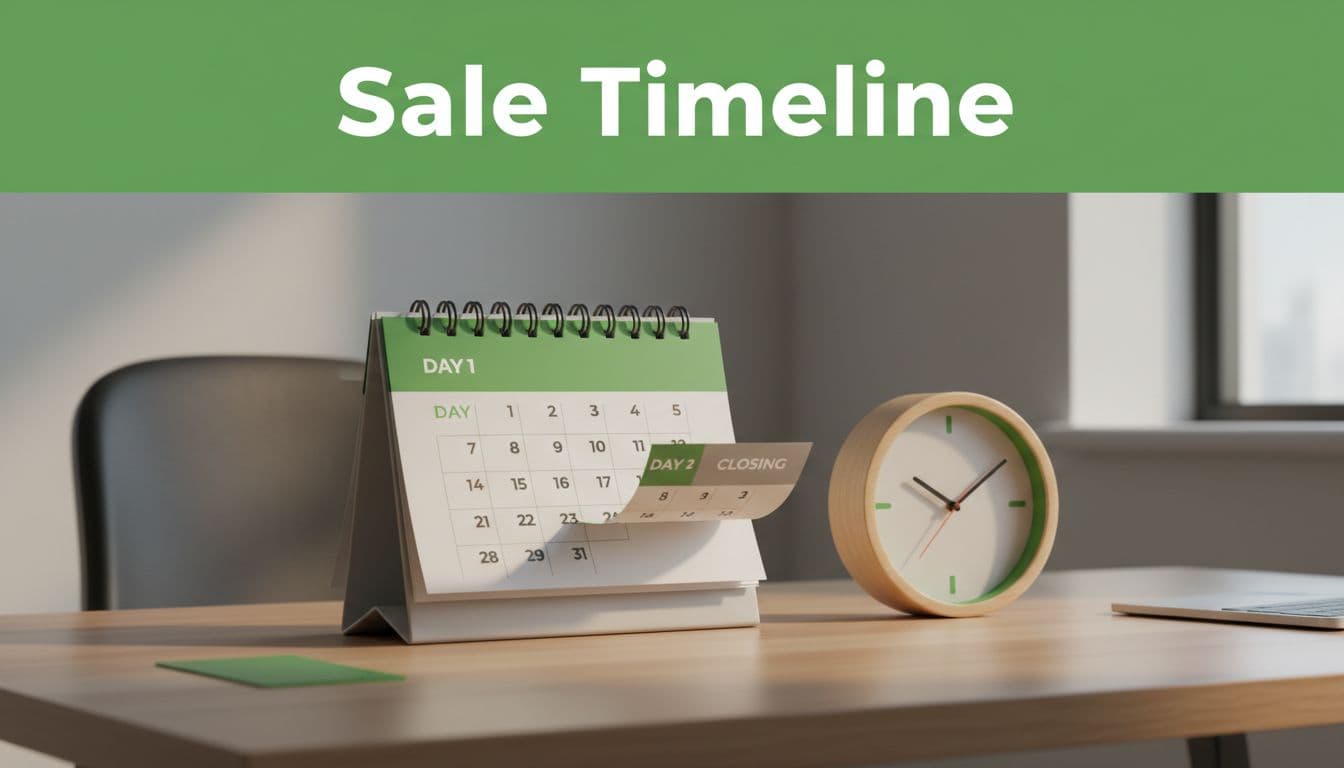
Here’s a simple timeline that matches how many Houston cash deals actually move.
| Stage | Typical timing | What you do | What buyer and title do |
|---|---|---|---|
| Initial call and info | Day 1 | Share address, condition, loan status, sale date | Set expectations, start offer range |
| Quick property review | Days 2 to 5 | Allow walkthrough or send photos/video | Confirm repairs, finalize offer |
| Contract and opening title | Days 2 to 6 | Review and sign contract | Open title, order payoffs |
| Title work and problem solving | Week 1 to 2 | Respond fast, share documents | Clear liens, coordinate with servicer |
| Closing and funding | Closing week | Sign, hand over keys, move out | Pay lender, record deed, wire funds |
The big takeaway: your fastest wins come from responsiveness, especially on payoff requests and signature needs.
On day one, focus on the facts, not the backstory. A serious buyer needs the property address, rough condition, mortgage balance (even a guess helps), the foreclosure sale date, and whether anyone lives there. If there are other liens you know about (taxes, HOA, judgments), mention them early.
At the same time, call your mortgage lender and ask for two things: a payoff quote and a reinstatement quote. Ask how they prefer to receive payoff funds from a title company. Also confirm the auction date and time, because you don’t want to chase the wrong deadline.
If you’ve received certified letters, keep the envelopes. Dates matter, and you may need to forward documents to the title company.
Many cash buyers in the Houston area can do a quick walkthrough, a video call, or a photo review. That’s helpful if you’re working long hours, you’ve already moved, or the home has tenants.
“As-is” means you’re not expected to fix things. No repainting. No carpet replacement. No punch list that drags on for weeks. The offer should reflect your equity in foreclosure and the home’s condition, but the process stays simple.
Before you sign, slow down for five minutes and read the basics: purchase price, closing date, who pays which closing costs, and what happens with occupancy. If you need a few extra days to move out, ask for it upfront. Last-minute changes can cost you the deal, especially near a foreclosure date.
For a plain overview of the state timeline that drives these deadlines, this Texas foreclosure timeline explanation is a helpful reference.
Once the contract is signed, the title company does the heavy lifting. They confirm ownership, check for liens, verify taxes, and look for issues that could block a clean transfer.
In Houston, “surprises” aren’t rare. Old liens that were never released, unpaid HOA balances, small municipal fines, or paperwork tied to a divorce can all show up. Inherited homes can be even trickier if the estate wasn’t handled fully.
Most problems are solvable, but they can add days. You help most by being upfront. If you know there’s a second mortgage, a tax issue, or a prior owner who passed away, say it early. That lets the title team work the problem while the clock still has room.
Closing is usually a short signing at a title office. Sometimes a mobile notary comes to you. After signing, the title company pays off the lender from the closing funds, then issues your proceeds by wire or check, depending on the setup.
Don’t treat closing as the finish line until you confirm the foreclosure has been stopped. Call your servicer and ask them to confirm receipt and processing. Also request written confirmation when it’s available. This step confirms you’ve used the cash sale to save your home.
Then shift to a basic moving plan: set utility shutoff dates, forward mail, and leave keys and garage openers as instructed. Those details keep the final handoff calm instead of chaotic.
When a foreclosure deadline is close, small delays feel like potholes on a freeway. You can’t avoid every bump, but you can avoid the common ones.
The biggest pattern is simple: paperwork plus communication. If a payoff takes longer than expected due to missed payments, the title company can’t balance numbers. If a co-owner goes silent, nobody can sign. If tenants won’t cooperate, the buyer may pause.

Payoff statements can take time, and they usually expire. If your first quote is old, the title company may need an updated one from your mortgage lender right before closing. That can add a day or two, so request payoffs early to cover your final mortgage payments and keep your servicer contact info handy. Clean paperwork here is essential to avoid legal errors that could lead to wrongful foreclosure claims.
HOA documents can also slow things down. Some associations take longer to provide an estoppel or balance letter, especially when there are violations or old dues. Meanwhile, delinquent property taxes often get handled at closing, but they still have to be verified and paid correctly.
Insurance claims can complicate things too. If there was a fire or major damage and the claim is still open, funds may be payable to multiple parties. Share that upfront, because the title company may need extra documentation to close cleanly.
Co-owners must sign, even if they moved out years ago amid financial hardship. So confirm who is on title at the start. If there was a divorce, bring any court paperwork that affects ownership.
Inherited homes can get stuck if probate is required and not started. Sometimes an heir thinks they can sign, but they can’t yet. If a family member passed away, gather death certificates and any estate documents you have. It’s not fun, but it saves time. If major legal surprises arise with the title, consulting a foreclosure defense attorney may be necessary.
Tenants add another layer. Share the lease, payment status, and communication history. Also avoid changing stories midstream. When the facts keep shifting, buyers slow down because they don’t know what they’re buying.
For a broader look at how these stages tend to unfold in Texas, the phases of foreclosure in Texas can help you put your situation in context.
When you’re under stress, every option can look the same. Still, the best choice depends on your deadline, your equity, and the condition of the home.
If you have weeks or months, you may have room to negotiate with the lender or list the property. On the other hand, if the sale date is close, you need an option that can close with fewer “what ifs.” That’s where a cash sale often fits, because there’s no buyer financing, no appraisal hurdle, and usually no repair demands. A cash sale also helps you avoid eviction proceedings that can follow a completed foreclosure.

A fast cash sale is a practical fit when the home needs heavy repairs, you can’t do showings, or you don’t have time for a long listing timeline. It also helps in real-life situations like job loss, divorce, inherited property, a vacant home that’s getting vandalized, or problem tenants.
The tradeoff is real: you may get less than top retail value. Still, you’re buying certainty and time. If avoiding foreclosure is the main goal, removing closing risk matters more than squeezing every last dollar out of the sale.
Think of it like choosing a direct flight. You might pay a little more, but you’re far less likely to get stranded during a tight connection.
If you have time and income is stable again, you can pursue loss mitigation options like reinstatement, a repayment plan, a loan modification, or temporary forbearance. Legal filings such as Chapter 13 bankruptcy offer a viable path for homeowners with income who want to stay in the home, triggering the automatic stay that pauses the auction clock. Chapter 7 bankruptcy is another legal consideration for some. Some homeowners also refinance, but that’s harder with late payments and rising costs. For free advice on these paths, contact a HUD-approved housing counseling agency or consult a Houston foreclosure lawyer to navigate them effectively.
Listing with an agent can bring a higher price when the home shows well and the market supports it. The risk is timing. A financed buyer may need inspections, repairs, and an appraisal, and any one of those can break the deal late.
Many homeowners choose a middle route: pursue a loan workout or listing, while also lining up a cash offer as a backup. That way, you’re not starting from scratch if the deadline gets closer.
Foreclosure in Houston moves fast, but you still have options to stop foreclosure Houston if you act quickly and stay reachable. Start with the facts, not the fear, because the paperwork tells you what’s possible. Then pick the path that matches your deadline and your stress level.
Here’s what to do today:
The clock doesn’t care how overwhelmed you feel, but action can save your home and change the outcome.